Integrating Loved: A Practical Guide to a Vintage Stamp Typeface
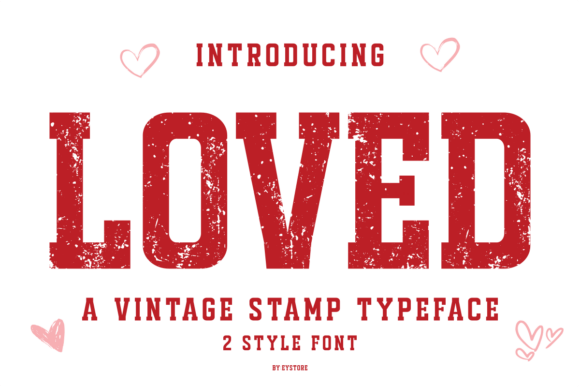
In the world of design, typography is not just about letters; it is a functional tool that communicates tone, era, and emotion before a single word is read. Loved is a typeface that operates specifically within the niche of vintage stamp aesthetics. It is a bold typeface featuring two distinct styles: a distressed textured style that mimics an authentic rubber stamp impression, and a clean solid style that offers a modern, crisp appearance without the noise. Understanding how to implement this font effectively requires a look at its practical application in workflows ranging from print-on-demand production to physical crafting.
Understanding the Two Styles: Texture vs. Solid
The primary utility of Loved lies in its dual nature. When planning a project, the first decision point is choosing between the Distressed and Clean styles. This decision impacts the entire visual hierarchy of the design.
The Distressed Textured Style is designed to replicate the look of classic rubber stamps. It features irregular edges and ink inconsistencies. In a production workflow, this style is highly effective for designs intended to look "lived-in" or organic. It is particularly useful for Valentine-inspired designs, love quotes, or romantic projects where a human touch is preferred over digital perfection. Because the texture is built into the font, it eliminates the need to overlay grunge textures or roughen edges in post-production software, streamlining the execution phase.
Conversely, the Clean Solid Style removes these imperfections. It retains the bold letterforms and vintage character but presents them with sharp, solid edges. This style is the preferred choice for modern layouts, screen printing where fine textures might clog screens, or embroidery where thread density is a concern. It allows the designer to achieve a retro vibe without sacrificing legibility or production clarity.
Production Workflows and Use Cases
For creators and small business owners, a typeface must be compatible with specific production constraints. Loved is optimized for several distinct output methods, and integrating it into your workflow requires understanding these mechanics.
Digital Print-on-Demand (POD)
In the POD ecosystem—platforms like Redbubble, Etsy, or Amazon Merch—file preparation is key. When using Loved for t-shirts, tote bags, or posters, the bold weight of the font ensures scalability. Large display text needs to maintain impact at a distance. The distressed style is particularly effective for the "vintage t-shirt" market segment. However, during the quality control phase, designers should check the font against the background color of the product. High contrast is necessary to ensure the textured details do not disappear into dark fabrics.
Physical Crafting and Sublimation
For users creating mug designs, pillow designs, or stickers, Loved serves as a robust display typeface. In the sublimation process, where ink bonds with coating, the Clean Solid style is often safer for beginners as it provides a defined edge that is forgiving of slight heat press misalignment. For greeting cards and invitations, the Distressed style adds an artisanal quality that mimics letterpress printing, adding perceived value to handmade goods.
Marketing and Branding Assets
Beyond merchandise, Loved fits into the broader marketing workflow. It can be used for social media graphics, specifically for quotes or announcements that need to grab attention quickly. Its strong letterforms make it ideal for headers in email campaigns or call-to-action graphics on landing pages. However, as a display font, it should be reserved for headlines and short phrases; using it for body copy would hinder readability and disrupt the user experience.
Integration with Design Tools and Assets
Effective implementation of Loved involves more than just installing the file. It requires strategic pairing with other assets.
- Pairing with Serifs and Sans-Serifs: Because Loved is a bold display typeface, it pairs best with clean, simple sans-serif fonts (like Montserrat or Open Sans) or traditional serif fonts for body text. This contrast creates a balanced visual hierarchy, ensuring the "shout" of the headline is grounded by readable supporting text.
- Color Theory: The vintage nature of the font suggests a specific color palette. Earthy tones, muted pastels, and classic reds/whites often work best. When using the Distressed style, avoid gradients, as they can complicate the texture and make the text look muddy.
- Software Compatibility: The font functions as a standard TrueType or OpenType file. In software like Canva, Adobe Illustrator, or Procreate, the Clean style is easily editable. The Distressed style behaves like standard text but renders with the texture applied, allowing for easy resizing without pixelation—a significant workflow advantage over raster-based stamp overlays.
Romantic and Thematic Designs
Given its inspiration, Loved is the primary asset for projects centered around affection and sentiment. For Valentine's Day campaigns, the font immediately sets the context. A practical workflow for a seasonal campaign involves creating a template library using the Distressed style for "sale" tags and the Clean style for product descriptions. This ensures brand consistency across the campaign while varying the visual interest.
Packaging and Stickers
For small businesses selling physical goods, packaging is the first physical touchpoint with the customer. Loved can be used to print custom stickers for sealing boxes or labeling jars. The bold nature of the font ensures that even small stickers remain legible. When designing packaging, it is advisable to use the Clean style for any regulatory information (ingredients, weight) to ensure compliance and clarity, reserving the Distressed style for the brand logo or tagline.
Invitations and Stationery
In the stationery niche, clients often seek a balance between modern elegance and nostalgia. Loved bridges this gap. For wedding invitations or event posters, the font can be used to highlight the couple's name or the event title. A useful tip for this workflow is to adjust the letter spacing (tracking). Widening the tracking on the Clean style can create a luxurious, airy feel, while keeping it tight on the Distressed style emphasizes the "stamp" impact.
Long-Term Utility and Asset Management
From an organizational perspective, Loved is a high-value asset for a digital library. Because it covers two distinct styles (Retro/Textured and Modern/Clean), it reduces the need to purchase multiple separate typefaces for similar project types.
When archiving projects, label files clearly based on which style was used, especially if the designs will be iterated upon for future holidays or sales. For example, a "Valentine's Collection" folder should specify whether the source files rely on the textured variant, as this affects how the design might be adapted for new merchandise types later.
Ultimately, Loved is a functional tool for designers who need to convey emotion and history through typography. By understanding the technical differences between its two styles and applying them to the correct production methods, creators can streamline their workflow, ensure high-quality output, and maintain a consistent aesthetic across both digital and physical products. It is a versatile addition to any designer's toolkit, serving the needs of crafters, entrepreneurs, and professionals alike.