The Hippie Typeface: Bridging Vintage Charm with Modern Design Needs
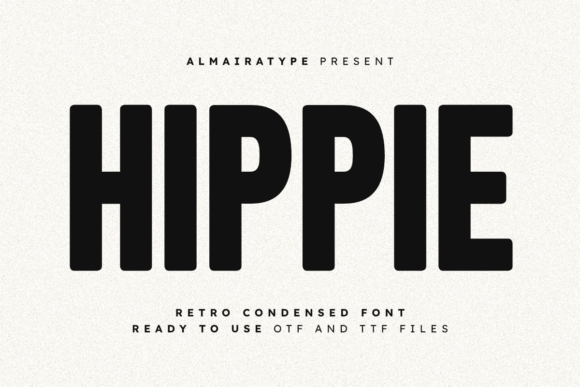
In a digital landscape saturated with sleek sans-serifs and minimalist interfaces, a distinct counter-movement is gaining traction. Designers and brands are increasingly reaching for typefaces that evoke a sense of warmth, history, and personality. This shift isn't merely nostalgic; it's a strategic response to the human desire for authenticity and emotional connection in visual communication. At the forefront of this movement is Hippie, a bold retro condensed font that masterfully bridges the gap between vintage nostalgia and contemporary minimalism.
Understanding the Resurgence of Retro Typography
The current appeal of fonts like Hippie is deeply tied to broader cultural and design trends. We are witnessing a cyclical return to the aesthetics of the 1970s and 1980s in fashion, interior design, and graphic arts. This revival is more than a superficial imitation; it's a reimagining of an era's visual language through a modern lens. The Hippie typeface embodies this perfectly. Its tall, sturdy structure provides the commanding presence needed for today's crowded visual feeds, while its soft, slightly rounded edges introduce the approachable warmth often missing in ultra-modern designs.
This balance is critical. Modern audiences, particularly those in the 20-50 age demographic, possess a sophisticated visual literacy. They can discern between a cheap imitation and a thoughtfully crafted design. A font that feels purely retro can seem dated, while one that is overly sterile may fail to connect. Hippie navigates this by offering a clean, modern minimalist aesthetic within its condensed form, making it versatile enough for a tech startup's branding material as well as a vintage-inspired clothing label.
Practical Applications in Today's Creative Workflows
The true value of any design asset is measured by its utility across various platforms and projects. The Hippie typeface excels here due to its inherent versatility and high-impact nature. For graphic designers, it serves as a powerful tool for creating hierarchy and emphasis. Its condensed form allows for more text in tighter spaces without sacrificing readability, a crucial factor in logo design, poster layouts, and packaging where space is at a premium.
For clothing brands and print-on-demand entrepreneurs, the font's character is a direct asset to product appeal. Apparel design relies heavily on typefaces that convey a specific mood or identity instantly. The distinct flair of Hippie can help a streetwear brand stand out or give a boutique label an air of curated, timeless style. Its excellent readability ensures that slogans and brand names remain clear, whether screen-printed on a hoodie or embroidered on a cap.
Beyond the Screen: Crafting and Physical Production
The practicality of Hippie extends into the booming world of DIY crafting and small-scale manufacturing. The rise of accessible cutting machines like Cricut and Silhouette has empowered a generation of crafters and small business owners. A common challenge in vinyl cutting is finding fonts that are not only visually appealing but also technically sound for the process. Fonts with overly intricate details or inconsistent stroke widths can lead to tearing, poor adhesion, or a messy finish.
Hippie is crafted with this end-user in mind. Its clean, bold lines and sturdy structure ensure a smooth and professional finish for vinyl decals, heat transfers, and stencils. This makes it an essential asset for anyone creating custom merchandise, signage, or personalized gifts. The font's design acknowledges the shift in how creative work is produced—no longer confined to professional print shops but often executed in home studios and small workshops.
Aligning with Modern Brand Identity and Content Strategy
Building a memorable brand today requires more than a good product; it requires a cohesive and authentic visual story. Typography is a fundamental pillar of that story. The choice of a typeface like Hippie signals a brand's values—perhaps a commitment to creativity, a nod to heritage, or a desire to stand apart from corporate homogeneity.
Consider its application across different media. In social media graphics, where attention spans are short, the bold presence of the Hippie font can stop a scrolling thumb. In editorial layouts for blogs or digital magazines, it can provide striking pull quotes or section headers that guide the reader's eye. For a logo, it offers a unique identity that is both recognizable and rich with character, helping a business to be remembered.
The font's relevance also speaks to a changing expectation from audiences. Readers and consumers are drawn to content and brands that feel human and curated. A carefully chosen typeface contributes to this perception. It moves a design from feeling generic to feeling intentional. Hippie, with its blend of retro warmth and modern clarity, helps achieve this intentionality without overwhelming the core message.
Evolving with Purpose: A Tool for the Thoughtful Creator
The evolution of design tools and marketplaces has democratized access to high-quality assets. However, this abundance also makes selection more critical. The thoughtful creator or entrepreneur doesn't just need a font; they need the right font—one that aligns with their project's goals, production methods, and audience expectations.
Hippie represents a considered solution to these modern challenges. It is not merely a decorative element but a functional tool designed for real-world application. Its ability to command attention while maintaining elegance makes it suitable for both digital and print contexts. Its design acknowledges the technical requirements of contemporary production methods, from high-resolution screens to the precise blades of a cutting machine.
Ultimately, the enduring appeal of a typeface like Hippie lies in its ability to tell a story. It carries the visual memory of a previous era while speaking the clean, efficient language of today. For the designer, the entrepreneur, or the crafter, it offers a way to inject personality, professionalism, and a distinct sense of timelessness into their work, ensuring their projects not only get noticed but also resonate on a deeper level.