The Enduring Influence of Vogue: A Typeface for Modern Elegance
In the vast and often crowded world of typography, certain typefaces transcend their function to become cultural touchstones. They carry an immediate association, a feeling, and a story. Vogue, the elegant serif font inspired by the iconic magazine's logo, is a prime example of this phenomenon. It’s more than just a set of characters; it’s a design statement that evokes sophistication, luxury, and a timeless sense of style. For designers, marketers, and creators today, understanding how to use a typeface like Vogue effectively is not about chasing a fleeting trend, but about tapping into a powerful visual language that continues to resonate deeply with audiences.
From Magazine Masthead to Design Staple: The Evolution of a Font
The story of Vogue the font is intrinsically linked to Vogue the magazine. For over a century, the publication's masthead has been a symbol of high fashion and cultural authority. Its lettering, a refined and high-contrast serif, communicates a specific brand of aspirational elegance. This isn't the sturdy, utilitarian serif of a newspaper; it's a typeface built for display, designed to command attention and convey exclusivity. Its evolution from a proprietary logo to a publicly available typeface marks a significant shift. It reflects a broader trend in the design world where iconic branding elements are adapted for wider use, allowing other creators to harness their inherent power and recognition.
This transition speaks to changing habits in visual communication. In an era dominated by digital media, the first impression is often the only impression. A headline, a logo, or a social media graphic has mere seconds to convey its message. Vogue, with its immediate association with high-end style, offers a shortcut to that perception. It doesn't just spell out a word; it communicates a value system. This is why it has moved beyond print-inspired designs and found a home in digital contexts, from website hero sections to Instagram story graphics for luxury brands and lifestyle influencers.
The Anatomy of Elegance: Why Vogue Works
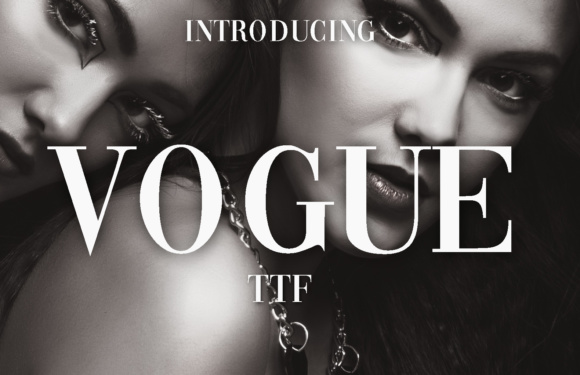
To understand the font's appeal, one must look at its design characteristics. Vogue is a high-contrast modern serif. This means the difference between its thick and thin strokes is dramatic. The serifs—the small feet at the ends of the letterforms—are delicate and refined. The overall letterforms are tall, narrow, and possess a certain verticality that feels both structured and graceful. This combination creates a visual rhythm that is simultaneously bold and airy.
This design makes it exceptionally suited for specific applications:
- Headlines and Titles: Its high-impact nature ensures that headlines grab attention without being loud or aggressive. The elegance inherent in the letterforms elevates the subject matter, making it feel more significant.
- Logos and Wordmarks: For brands in fashion, beauty, luxury goods, or high-end services, Vogue can form the core of a sophisticated logo. It provides instant brand recognition and aligns the business with a legacy of style.
- Posters and Covers: Whether for an event, a book, or a magazine, this font commands the space. Its presence on a cover promises a certain quality and aesthetic within.
- Editorial Design: Used for pull quotes or section headers within a layout, it can break up text and add moments of visual interest that reinforce a publication's overall tone.
The practical implication for users is clear: Vogue is a tool for creating atmosphere. It’s not the workhorse font for body text; its high contrast can make it challenging to read in long paragraphs. Its strength lies in being a feature, a focal point that sets the tone for the entire design.
Integrating Vogue into Modern Creative Workflows
Today's creative landscape demands versatility and speed. Designers work across multiple platforms, from print to web to social media. A typeface like Vogue fits into this workflow as a powerful accent. Its relevance is tied to several current needs:
Brand Storytelling: Modern branding is about narrative. Choosing a font is a character choice for that story. Selecting Vogue for a boutique hotel's branding, for example, immediately tells a story of curated experiences, attention to detail, and classic taste. It aligns the visual identity with a specific lifestyle.
Differentiation in a Saturated Market: In a digital space awash with geometric sans-serifs and playful handwritten fonts, a well-used serif like Vogue stands out. It offers a counterpoint to minimalism, reintroducing a sense of classic craftsmanship and detail. For a blogger or a small e-commerce business, using it for their logo or key headings can help establish a distinct and premium-feeling brand identity that cuts through the noise.
The Blurring of Physical and Digital: As businesses create cohesive experiences across physical packaging, websites, and social media, a consistent typographic voice is crucial. Vogue translates well across these mediums, maintaining its character whether embossed on a shopping bag or rendered on a high-resolution screen. This consistency builds brand recognition and trust.
Practical Recommendations for Using Vogue Effectively
Adopting a font with such a strong personality requires a thoughtful approach. Here are some grounded recommendations for professionals and creators:
- Pair with Simplicity: The drama of Vogue needs balance. Pair it with a clean, neutral sans-serif font for body text. This creates a clear hierarchy, allowing the serif to shine as the star without overwhelming the viewer. A combination like Vogue for headings with a font like Proxima Nova or Lato for body copy is often effective.
- Use with Purpose: Don't use it for every piece of text. Reserve it for moments where you want to inject a dose of elegance and authority. This selective use makes its appearance more impactful. It’s perfect for a hero statement on a homepage, the title of a lookbook, or the name on a business card for a creative director.
- Consider the Context: While versatile, Vogue is most at home in contexts related to fashion, beauty, art, culture, and luxury. Using it for a tech startup or a children's educational brand might create a dissonant message. The font's connotations should align with the brand's core values.
- Test for Legibility: Always test your typographic choices at the intended size and on the target medium. While stunning at large sizes, ensure any text set in Vogue remains clear and readable, especially on mobile devices where fine details can sometimes be lost.
Ultimately, the enduring appeal of Vogue lies in its ability to connect a contemporary design to a long-standing ideal of elegance. It is not merely a decorative choice but a strategic one. For the modern creator, entrepreneur, or marketer, leveraging such a typeface is about understanding its history, respecting its character, and applying it with intention to craft visuals that are not only beautiful but also communicative and effective. In a world that values both authenticity and aspiration, Vogue remains a relevant and powerful tool for telling a story of style.