The Rise of Whimsical Design: Understanding the Rosie Font and the New Era of Visual Branding
In the rapidly evolving landscape of digital marketing and graphic design, the tools we use to communicate are just as important as the messages we convey. For years, the industry leaned heavily into the "Swiss Style" of minimalism—clean lines, sans-serif fonts, and a stark, corporate aesthetic. While professionalism remains paramount, a significant shift is occurring. Audiences, saturated by sterile corporate imagery, are increasingly gravitating toward designs that feel human, personal, and emotionally resonant. This shift has paved the way for a new category of assets that blend artistic flair with practical application. Among the most notable developments in this space is the emergence of specialized typefaces like Rosie, a cute decorative font that is redefining how creators approach visual storytelling.
Defining the Rosie Aesthetic: More Than Just Typography
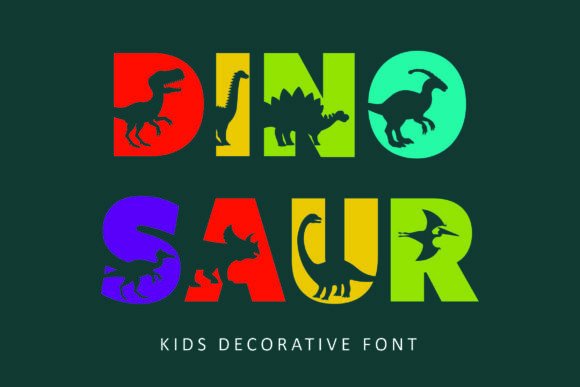
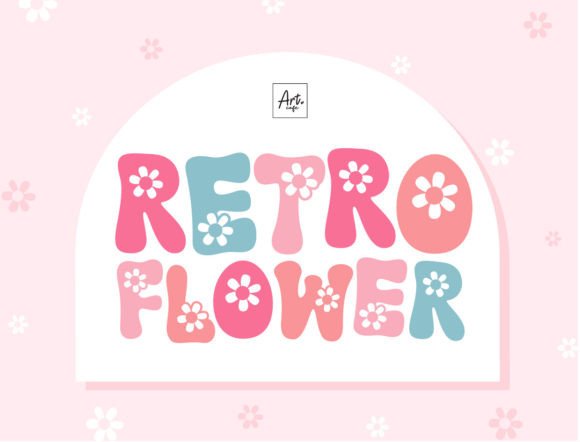
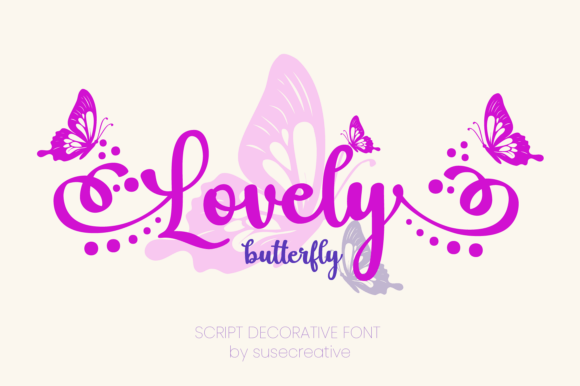
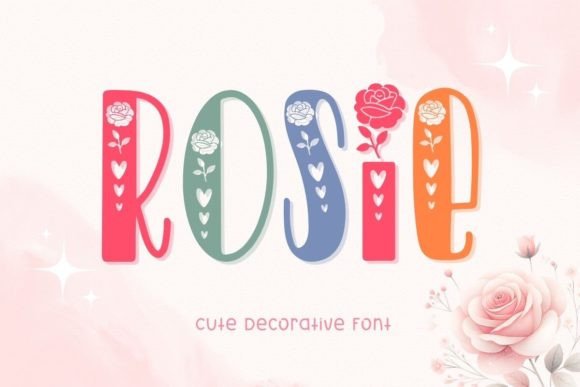
At its core, Rosie is not merely a set of letters; it is a comprehensive design tool that merges the intimacy of handwritten calligraphy with the celebratory nature of Valentine’s elements. Unlike standard display fonts, Rosie utilizes cute silhouette integrations—think hearts, flourishes, and organic shapes—directly into the letterforms. This creates a "quirky style" that feels alive and textured. For professionals, understanding what Rosie represents is key to understanding the current market. It represents the decoration as communication trend, where the style of the text does as much work as the words themselves.
For the uninitiated, a decorative font might seem like a niche novelty, but Rosie occupies a specific, high-value intersection of design. It bridges the gap between the casual nature of a handwritten note and the structured requirements of commercial design. The font’s inherent "quirkiness" is a deliberate design choice intended to break the rigidity of digital layouts. It signals to the viewer that a human being is behind the content, fostering a sense of warmth and approachability that traditional serif or sans-serif fonts often fail to deliver.
The Psychology of "Cute": Why Consumers are Responding
Why is there a sudden resurgence in demand for fonts like Rosie? The answer lies in the changing psychology of the modern consumer. We are living in an era defined by "emotional design." In a digital world often criticized for being cold and algorithmic, users crave authenticity. This phenomenon, sometimes referred to as the "cute economy," suggests that consumers are more likely to engage with brands that project softness, approachability, and joy.
Rosie fits perfectly into this narrative. The silhouette elements embedded within the font trigger an emotional response associated with care and celebration. When a freelancer or a marketer uses a typeface like Rosie, they are not just choosing a style; they are adopting a tone of voice. It is a tone that says, "We care about the details," and "This content is made for you." This psychological trigger is particularly effective in saturated markets where standing out requires more than just a loud noise; it requires a welcoming smile.
Integration into Modern Workflows and Market Trends
For entrepreneurs and creators, the relevance of Rosie is tied directly to efficiency and versatility. The modern creative workflow demands assets that can be deployed across multiple channels without losing their impact. This is where Rosie excels. Its design is optimized for a wide variety of outputs, from high-resolution physical printing to low-resolution digital screens.
The Creator Economy and Print-on-Demand
The explosion of the creator economy, particularly within the Print-on-Demand (POD) sector, has created a hunger for unique typography. Generic fonts are often flagged by style guides or fail to capture the specific "vibe" of a niche market. Rosie offers a solution that is immediately distinct. Because the font incorporates decorative elements, it reduces the need for external assets. A creator designing a mug or a greeting card does not need to manually add hearts or swirls around the text; Rosie provides this aesthetic natively. This streamlines the production process, allowing for faster turnaround times on products like:
- Stationery and Cards: The handwritten nature of Rosie mimics the look of a personalized invitation, making it ideal for wedding stationery or Valentine’s cards.
- Apparel Design: On t-shirts and tote bags, the "quirky style" translates well to screen printing and DTG (Direct to Garment) methods, offering a boutique feel.
- Social Media Assets: In the fast-paced world of Instagram and TikTok, visual hierarchy is crucial. Rosie commands attention through its unique silhouette shapes, making it excellent for headers, story covers, and promotional banners.
Technical and Aesthetic Considerations for Professionals
While the aesthetic of Rosie is whimsical, its application requires professional rigor. As the digital landscape matures, the expectations for typography have risen. A font must not only look good but also function well within complex layouts.
Visual Hierarchy and Composition
One of the challenges with decorative fonts is legibility. However, Rosie is designed to be used strategically. It is rarely the font for body text; rather, it is the anchor for the design. Professionals are using Rosie to create focal points. By pairing Rosie with a clean, minimalist sans-serif font for body copy, designers can create a dynamic contrast. The "quirky" elements of Rosie draw the eye to the headline, while the clean font ensures the message is readable. This balance is essential for creating professional marketing materials that do not sacrifice clarity for style.
The "Handmade" Digital Paradox
There is a growing appreciation for the "imperfect" in design. As vector precision becomes easier to achieve, perfection has become boring. Rosie taps into the "handmade" aesthetic. The slight irregularities and the flowing nature of the script suggest a human touch. This is particularly relevant for brands positioning themselves as artisanal, organic, or small-batch. Using Rosie on packaging or web headers signals a brand identity rooted in craftsmanship rather than mass production.
Practical Applications: From Screen to Shelf
To understand the true value of Rosie, we must look at how it translates into tangible business outcomes. The font is not an abstract art piece; it is a commercial asset.
- Brand Identity for Lifestyle Products: For businesses selling candles, soaps, or baked goods, the packaging is the product. Rosie provides an instant "lifestyle" look. It suggests that the product inside is made with love and care, directly influencing the consumer's perceived value of the item.
- Event Marketing: Whether it is a digital invitation for a virtual gala or a physical banner for a local market, Rosie sets the mood immediately. Its Valentine’s elements make it a seasonal powerhouse, but its general "cute" utility makes it year-round for events centered around community and connection.
- Digital Content Strategy: Content creators are constantly seeking ways to stop the scroll. A static image with standard text often gets ignored. An image featuring Rosie breaks the pattern. The silhouette elements within the font add texture and depth to flat images, making them more likely to be saved and shared by users.
The Future of Typography: Context and Personality
The popularity of fonts like Rosie points toward a larger trend in the creative industry: the demand for contextual typography. We are moving away from "one-size-fits-all" solutions. Brands and creators now understand that a font carries cultural baggage and emotional weight.
Rosie is a prime example of a font that carries specific cultural markers—romance, whimsy, and warmth. As we look forward, we can expect to see more specialized fonts that cater to very specific emotional niches. The future of design is not just about what the text says, but how the text feels. For the entrepreneur or marketer, adopting tools like Rosie is not just about following a trend; it is about mastering the nuance of visual communication.
Conclusion
In conclusion, Rosie represents more than just a cute decorative font; it represents a shift in how we approach design in a crowded marketplace. By combining the structural integrity of typography with the emotional resonance of hand-drawn art and Valentine’s silhouettes, Rosie offers a unique tool for professionals. Whether you are designing a social media campaign, launching a new line of merchandise, or simply looking to inject some personality into your brand, understanding and utilizing the "quirky style" of Rosie is a forward-thinking strategy. It reminds us that in the world of business and creativity, a little bit of whimsy goes a long way.