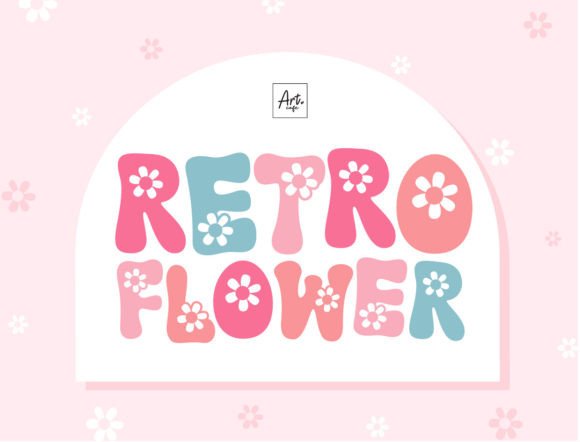
Retro Flower: A Designer's Guide to This Charming Font
There’s an undeniable appeal to a design that feels both nostalgic and fresh. The Retro Flower font captures this perfectly, offering a unique typeface where each letter is delicately intertwined with a daisy motif. It’s more than just a novelty; it’s a powerful tool for evoking specific emotions—from the buoyant spirit of spring to the tender affection of a Mother’s Day card. For creators, marketers, and hobbyists, this font promises to inject a whimsical, floral essence into any project. But like any specialized design asset, using it effectively requires a thoughtful approach.
More Than Just a Pretty Typeface: Understanding Its Character
At its core, Retro Flower is a decorative display font. This is a crucial distinction. Unlike the versatile serif or sans-serif fonts you use for body text, a display font is designed for impact at larger sizes. Think headlines, logos, poster titles, and short, impactful phrases. Its intricate floral details are its greatest strength but also its primary limitation. Using it for a full paragraph of text would be a mistake, as the details would become a visual jumble, harming readability and frustrating your audience.
The charm of the flower font lies in its ability to communicate a specific aesthetic instantly. It’s an excellent choice for projects aimed at children, for branding a boutique floral shop, or for creating empowering, nature-themed graphics for feminist initiatives. The key is to match its personality with your project's goals. Before you download or purchase, ask yourself: Does this playful, retro vibe align with my brand's voice or my project's message?
Common Pitfalls and How to Sidestep Them
Many well-intentioned designers and creators stumble when incorporating a specialized font like this. The most frequent error is overuse. Enthusiasm for the font can lead to applying it everywhere—headlines, subheadings, body text, and captions. The result is a chaotic design where nothing stands out, and the font loses its special appeal. A better approach is to treat Retro Flower as a highlight. Use it for one key element, like the main title on a poster or a logo, and pair it with a clean, simple sans-serif font for supporting text. This creates a clear visual hierarchy and lets the floral details shine without overwhelming the viewer.
Another common oversight involves context and audience. While the font is perfect for a children’s book cover, it might not convey the right level of seriousness for a corporate annual report. Similarly, its whimsical nature might clash with a minimalist, tech-focused brand. Before finalizing your choice, consider your audience. Will they find it charming or distracting? A practical tip is to create a simple mock-up and show it to a few people in your target demographic. Their feedback can be invaluable in avoiding a mismatch that could dilute your message.
Practical Advice for Seamless Integration
To get the most out of the Retro Flower typeface, focus on clarity and contrast. Since the letters are ornate, ensure there is ample spacing between them. A little extra letter-spacing can dramatically improve legibility at headline sizes. Furthermore, consider the background. A busy, patterned background will compete with the font's details. Opt for solid colors or subtle gradients to make the text the undeniable focal point.
Color choice is another powerful lever. You can emphasize the floral motif by using a two-tone color scheme—perhaps one color for the letter stems and another for the daisy petals, if the font file supports it. If not, a single, vibrant color against a contrasting background often works best. For example, a bold Retro Flower headline in a warm coral on a crisp white background feels fresh and inviting for a spring campaign.
Checking Your Files and Licensing
Before you commit to a retro floral font, a few technical checks are wise. First, examine the character map. Does it include all the letters, numbers, and punctuation you need? Some decorative fonts have limited character sets, which can be a frustrating discovery mid-project. Second, and critically, understand the license. Are you using it for a personal project, or do you need a commercial license for a client's logo or a product for sale? Misunderstanding licensing can lead to legal issues and unexpected costs down the line. Reputable font marketplaces always make this information clear.
Finally, think about the future. A design built around a very distinctive font can feel dated if overused. The best practice is to use it for time-bound projects—like seasonal promotions, event posters, or specific marketing campaigns—rather than as the sole font for a brand's decade-long identity. This allows you to harness its captivating, nostalgic appeal without being locked into a single aesthetic.
A Better Approach to Font Pairing
The true artistry with a font like Retro Flower lies in what you pair it with. Avoid pairing it with another decorative or script font, as this creates visual competition. Instead, let it command the spotlight. A classic pairing is with a geometric sans-serif like Futura or Montserrat. The clean, modern lines of these fonts provide a perfect counterbalance to the ornate, vintage feel of the flower font, resulting in a balanced, professional, and highly readable design.
For instance, imagine a Mother's Day brunch menu. The title, "Mother's Day Brunch," set in Retro Flower, immediately sets a festive, affectionate tone. The menu items and descriptions, set in a clean Montserrat, remain perfectly legible and elegant. This combination respects both the need for charm and the need for clarity, ensuring your design is both beautiful and functional.
Ultimately, the Retro Flower font is a delightful tool in a designer's arsenal. Its power to evoke joy, nostalgia, and a connection to nature is unique. By understanding its role as a specialty display typeface, avoiding the trap of overuse, and pairing it thoughtfully, you can leverage its full potential. The goal is to let its charming daisy motifs enhance your message, not overshadow it. When used with intention, it can transform a simple headline into a captivating piece of visual communication that truly resonates.