Lovely Butterfly: Mastering the Art of the Decorative Script Font
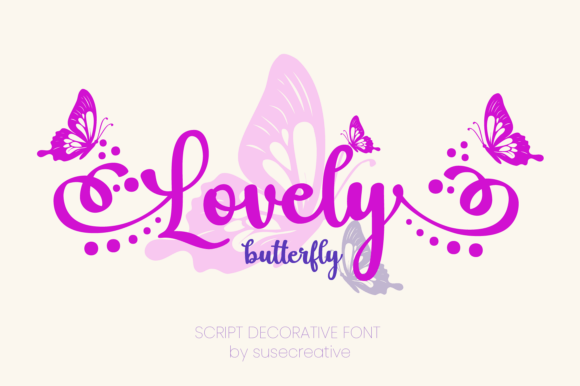
In the world of design, typography is not merely a vehicle for words; it is the voice of the visual message. Among the myriad of options available, Lovely Butterfly stands out as a distinctive choice for those seeking to infuse their projects with elegance, whimsy, and a touch of nature’s grace. This decorative script font, characterized by its flowing lines and majestic butterfly motifs, has become a favorite for wedding invitations, greeting cards, and feminine branding. However, the allure of a font as intricate as Lovely Butterfly can sometimes lead designers—both novice and experienced—into specific pitfalls. To truly elevate a design rather than clutter it, one must understand not only how to use this font but, more importantly, how not to use it.
Understanding the Essence of Lovely Butterfly
Before diving into application, it is essential to understand what makes Lovely Butterfly unique. It is not a standard serif or sans-serif font meant for body text. It is a display typeface, designed to capture attention and set a mood. The "Script" nature of the font implies a cursive flow, but the "Butterfly" theme introduces decorative elements—swirls that mimic antennae or wings—that go beyond simple cursive lettering. This font is ideal for projects requiring a sophisticated, feminine, and eye-catching aesthetic. Whether you are a freelancer designing a logo for a boutique or a bride-to-be crafting DIY invitations, the font promises to add a layer of enchantment.
The Trap of Over-Decoration
The most common mistake users make with Lovely Butterfly is treating it as a standard text replacement. Because the font is beautiful on its own, there is a temptation to use it everywhere. However, this often leads to visual noise.
The Mistake: Using Lovely Butterfly for long paragraphs or essential information that needs to be read quickly. For instance, placing the time, date, and location details of an event entirely in this script can make the information illegible, especially at smaller sizes.
The Impact: This reduces the usability of your design. If your audience has to squint to read the details of your wedding invitation or struggle to decipher a menu, the elegance of the font is negated by frustration. It turns a sophisticated design into a communication failure.
The Better Approach: Use Lovely Butterfly strictly for headlines, titles, or short, impactful phrases like "Save the Date" or "Thank You." Pair it with a clean, legible sans-serif font (such as Montserrat or Lato) for the body text. This contrast creates a hierarchy that guides the eye, allowing the script to shine without sacrificing readability.
Overlooking Legibility in Complex Contexts
While Lovely Butterfly is designed to be readable, its decorative nature means certain letter combinations can become tricky. This is a common oversight in logo design and branding.
The Mistake: Ignoring how specific letters connect or overlap in the font. In a word like "Butterfly" itself, the double 'f' or 't' might merge in a way that looks accidental rather than artistic if not kerned correctly. Furthermore, placing this intricate font on a busy background—such as a floral pattern or a textured photograph—can cause the letters to disappear into the chaos.
The Impact: A logo that cannot be read at a glance fails in its primary purpose. If a customer cannot immediately identify your brand name because the letters blend into the background, you lose brand recognition.
The Better Approach: Always test your text on a plain background first. If you must place it over an image, use a subtle drop shadow, a slight outer glow, or a semi-transparent overlay box behind the text to ensure the delicate strokes of the Lovely Butterfly font remain distinct. Additionally, check the spacing between characters (kerning) manually if your software allows, ensuring the flow feels natural.
Mismatching the Aesthetic Tone
Not every project calls for the whimsy of a butterfly. A frequent error is selecting a font based solely on personal preference rather than project suitability.
The Mistake: Using Lovely Butterfly for a corporate finance report, a heavy metal band poster, or a construction company website. While this seems obvious, subtler mismatches occur often, such as using it for a "50% Off Clearance" sale sign.
The Impact: This creates a dissonance in the viewer's mind. The font suggests softness, luxury, and nature, while the message might be urgent, industrial, or humorous. This mismatch can make a brand look unprofessional or confused about its identity.
The Better Approach: Analyze the emotional keywords of your project. If the words include whimsical, romantic, elegant, natural, soft, or sophisticated, then Lovely Butterfly is a strong candidate. If the keywords are urgent, masculine, rugged, minimalist, or technical, choose a different typeface. The font should support the message, not fight against it.
Technical Errors: File Formats and Compatibility
For those downloading or purchasing Lovely Butterfly, technical missteps can halt a project before it begins.
The Mistake: Assuming the font works seamlessly across all platforms or in all software. Some decorative fonts include features (like OpenType stylistic alternates) that require specific software (like Adobe Illustrator or Photoshop) to access. Beginners often download the font, type in a basic text editor, and wonder why the special butterfly swashes aren't appearing.
The Impact: Wasted time and frustration. The designer might think the file is corrupt or that the preview was misleading, leading to a refund request or a negative review for a perfectly good product.
The Better Approach: Before purchasing or downloading, check the file specifications. Does the font include a web font version (WOFF/WOFF2) if you are using it for a website? Does it include a commercial license if you are using it for client work? Once installed, consult the font’s documentation to see how to access special characters. Often, you need to use the "Glyphs" panel in design software to find the extra butterfly ornaments.
Practical Advice for Evaluation and Selection
When deciding whether to integrate Lovely Butterfly into your toolkit, perform a few checks to ensure it meets your needs.
- Test the Character Set: Type out the entire alphabet and numbers. Ensure that every character you might need is present. Some decorative fonts skimp on numbers or punctuation, which can be a dealbreaker for invitations that require dates.
- Check the License: If you are a small business owner creating merchandise (like t-shirts or mugs) to sell, you must ensure the font license permits commercial use. Using a "Personal Use Only" font for profit is a legal risk that can lead to costly penalties later.
- Evaluate Scalability: Zoom out on your screen. Can you still read the word? If you plan to use this font for a billboard or a tiny sticker, the level of detail in Lovely Butterfly might be lost or become muddy. It performs best at medium to large display sizes.
Ultimately, Lovely Butterfly