Make a Note: Adding Authentic Handwritten Charm to Your Designs
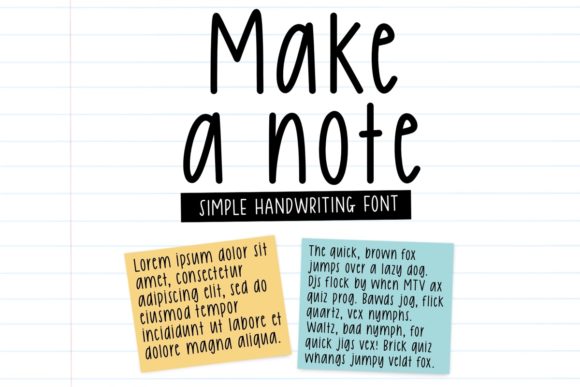
In the world of digital design, achieving a sense of authenticity is often the ultimate goal. While sleek, sans-serif fonts dominate the corporate landscape, there is a distinct and growing demand for typefaces that feel personal, warm, and human. This is where Make a Note enters the conversation. As a classic handwritten font, it serves as a bridge between digital precision and the organic imperfections of human writing. It is a versatile script font designed to inject personality into projects that might otherwise feel sterile or overly structured.
The primary appeal of Make a Note lies in its ability to mimic the natural flow of a pen on paper. Unlike formal calligraphy scripts that can sometimes feel rigid or intimidating, this font offers a relaxed, casual aesthetic. It captures the essence of a quick scribble or a heartfelt message, making it an ideal choice for designs intended to evoke emotion. However, utilizing a handwritten font effectively requires more than just a simple drag-and-drop approach. It requires an understanding of context, legibility, and the specific goals of your design project.
Understanding the Versatility of the Script
When designers look for a typeface, they are rarely looking for a one-trick pony. They need a font that can adapt to different mediums and moods. Make a Note excels in this area because it strikes a delicate balance between being decorative and being functional. It is not so stylized that it becomes illegible, yet it retains enough character to stand out.
This versatility is what allows Make a Note to be used in a wide range of applications. For instance, in the realm of stationery, a font must feel tactile. When you open a digital mockup of a greeting card, the text needs to look as though it could have been written by a friend. Make a Note provides that immediate visual cue of intimacy. It signals to the viewer that the content is personal and thoughtful, rather than mass-produced.
Furthermore, the font adapts well to various color palettes and background textures. Whether you are placing it over a watercolor wash, a kraft paper texture, or a clean white background, Make a Note integrates seamlessly. It does not demand the spotlight but rather enhances the surrounding design elements, acting as a cohesive thread that ties the visual narrative together.
Addressing Common Design Challenges
One of the most frequent challenges designers face is the "coldness" of digital layouts. When creating invitations, social media posts, or even educational materials, there is a risk of the final product feeling disconnected from the end-user. This is particularly true in an era where consumers crave authenticity. A standard serif or sans-serif font can sometimes convey authority, but it rarely conveys warmth.
Make a Note addresses this specific pain point. If a designer is working on a project that requires a "sweet touch," such as a baby shower invitation or a bakery menu, a stiff corporate font will immediately break the immersion. By switching to Make a Note, the designer can instantly alter the tone of the piece. It softens the message and makes the content more approachable.
Another common issue is the fear of using script fonts in professional settings. Many assume that handwritten fonts are strictly for children or informal crafts. However, Make a Note challenges this assumption. While it is certainly perfect for kids' crafts, its clean lines and consistent baseline make it sophisticated enough for lifestyle branding, boutique logos, and editorial headers. It proves that "handwritten" does not necessarily mean "unprofessional"; it simply means "human."
Practical Applications and Real-World Scenarios
To truly understand the value of Make a Note, it helps to visualize how it functions in specific scenarios. The font is not just a set of characters; it is a tool for storytelling. Here are several practical applications where this typeface shines:
- Greeting Cards and Invitations: This is perhaps the most natural habitat for Make a Note. Whether it is a wedding save-the-date or a simple "thank you" card, the font mimics the tradition of handwriting personal messages. It adds a layer of sincerity that printed text often lacks.
- Scrapbooking and Digital Journaling: For hobbyists who document memories, Make a Note offers a way to annotate photos without the mess of actual ink. It provides a consistent look across pages while maintaining the charm of a handwritten diary.
- Kids' Crafts and Educational Materials: Children respond well to visuals that feel playful. Make a Note can be used in worksheets, activity books, or party decorations to create an engaging, friendly atmosphere that encourages creativity.
- Social Media Graphics: In the fast-paced world of Instagram or Pinterest, standing out is crucial. Using Make a Note for quotes, callouts, or sale announcements can help a brand feel more relatable and less like a faceless corporation.
- Product Packaging: Artisanal products, such as homemade jams, candles, or cosmetics, benefit from packaging that suggests care and craftsmanship. Make a Note on a label can imply that the product inside was made with a personal touch.
Strategies for Effective Implementation
While Make a Note is user-friendly, there are best practices to ensure it is used effectively. The goal is to enhance readability, not hinder it. Here are some recommendations for different types of users:
For Graphic Designers
When incorporating Make a Note into a layout, pay close attention to kerning and leading. Handwritten fonts often have irregular spacing, which can be charming but sometimes needs manual adjustment to ensure words don't collide. Additionally, consider using Make a Note for headers or short bursts of text, rather than long paragraphs. Large blocks of handwritten text can be tiring to read; use it for impact, and pair it with a clean, legible sans-serif for body copy.
For Small Business Owners
If you are handling your own marketing materials, Make a Note can be a secret weapon for brand personality. Use it to sign off on newsletters or to highlight special offers. It creates a visual "voice" for your brand that sounds friendly and direct. However, ensure that the font size is large enough to be read easily on mobile devices, as script fonts can lose detail when scaled down too small.
For Crafters and Hobbyists
Embrace the imperfections. The beauty of Make a Note is that it doesn't look like it came off a factory assembly line. Use it to add annotations to photos, create custom stickers, or design unique gifts for friends and family. It allows you to enjoy the aesthetic of hand-lettering without needing to master the physical skill of brush pens or calligraphy nibs.
Why "Make a Note" Stands Out
In a market saturated with thousands of script fonts, why choose Make a Note? The answer lies in its specific balance of casualness and clarity. Many handwritten fonts fall into two traps: they are either too messy to read, or they are so perfect they look like a computer simulation of writing. Make a Note avoids both extremes.
It retains a natural rhythm. The letters connect in a way that feels organic, yet they remain distinct enough to be understood at a glance. This makes it a reliable choice for designers who want the "handmade" look without the risk of confusing their audience. It is a font that works hard behind the scenes to make the design feel effortless.
Moreover, the emotional resonance of Make a Note should not be underestimated. In marketing and communication, emotion drives action. A font that reminds us of handwritten notes from loved ones or the joy of childhood creativity has a powerful psychological effect. It builds trust and rapport with the viewer, making them more receptive to the message being presented.
Conclusion
Design is ultimately about communication, and the tools we choose dictate how our message is received. Make a Note is more than just a collection of glyphs; it is a stylistic choice that prioritizes warmth, personality, and connection. Whether you are a professional designer looking to soften a corporate brochure, a teacher creating engaging classroom materials, or a crafter designing a personalized gift, Make a Note offers a reliable and charming solution.
By understanding its strengths and applying it thoughtfully, you can transform a standard design into something that feels truly special. It invites the viewer to pause, read, and feel a connection to the content. In a digital world that can often feel disconnected, Make a Note brings us back to the simple, sweet touch of the human hand.