Lazydog: A Sweet Handwritten Font for Every Creator
What Exactly Is This Friendly Typeface?
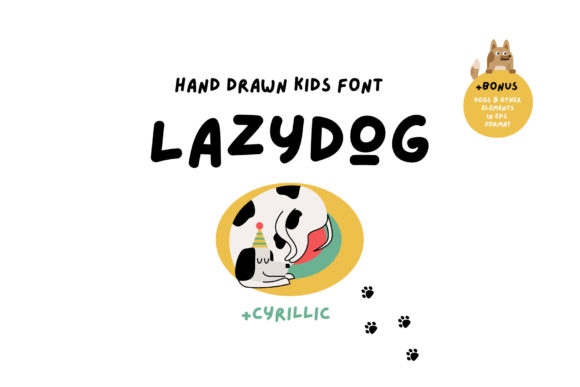
In the vast world of digital typography, finding a font that feels genuinely human can be a challenge. Lazydog is a sweet and friendly handwritten font that bridges the gap between professional polish and casual warmth. It isn't just a set of letters; it is a stylistic choice that communicates approachability. Unlike rigid, geometric sans-serifs or overly formal serifs, this typeface mimics the natural flow of pen on paper. It offers a unique aesthetic that feels personal, making it an excellent tool for anyone looking to add a touch of authenticity to their work.
The primary appeal of Lazydog lies in its versatility. While many handwritten fonts are restricted to specific themes—like grunge or calligraphy—this font maintains a balanced character. It is legible enough for short paragraphs but stylistic enough for headlines. Whether you are a seasoned graphic designer or a small business owner trying to create a flyer in Canva, this font adapts to your needs without requiring advanced design skills.
The Practical Appeal of Handwritten Design
Why should you choose a handwritten style over a standard computer font? The answer usually comes down to psychology and connection. In a digital landscape saturated with corporate branding and sterile layouts, a font like Lazydog acts as a visual breath of fresh air. It signals to the viewer that there is a real person behind the content. This is invaluable for bloggers, educators, and entrepreneurs who rely on building trust with their audience.
Furthermore, the "natural and unique style" of the font helps in breaking down barriers. If you are creating educational materials for children, the friendly curves of the letters make the content less intimidating. If you are a freelancer sending a proposal, using a handwritten font for headers can soften the tone, making the document feel like a collaborative conversation rather than a rigid contract. It is a subtle way to inject personality into otherwise static documents.
Creative Projects That Shine with Lazydog
The true power of this typeface is revealed when applied to specific creative contexts. Because it is described as fitting for a "large pool of designs," it is helpful to visualize exactly where it excels. The following list explores several practical applications where this font can elevate your project from ordinary to memorable.
- Greeting Cards and Stationery: The sweet nature of Lazydog makes it ideal for personal correspondence. It mimics the look of a handwritten note, adding a layer of intimacy to wedding invitations, birthday cards, or thank-you notes.
- Social Media Graphics: On platforms like Instagram or Pinterest, visual personality is currency. Using this font for quotes, announcements, or story overlays helps content stand out in a crowded feed.
- Branding for Small Businesses: If you run a bakery, a boutique, or a pet grooming service, your brand identity should feel welcoming. Lazydog works beautifully for logos or packaging, suggesting that your products are made with care and personality.
- Blog Headers and Newsletters: For content creators, breaking up text is essential for readability. Using a handwritten font for sub-headers guides the reader’s eye and keeps the reading experience engaging.
Integrating the Font into Professional Workflows
While it is tempting to reserve handwritten fonts solely for artistic projects, Lazydog has a place in professional environments as well. The key is understanding context and hierarchy. You likely wouldn't use a handwritten font for the body text of a legal document, but it can be incredibly effective in presentations or marketing materials.
For instance, educators can use Lazydog to create worksheets that feel less like standardized tests and more like interactive activities. The approachable style can help reduce anxiety in students. Similarly, marketers can use the font in email headers to increase open rates; a friendly, handwritten subject line often feels more personal and less like a mass advertisement than a bold, capitalized sans-serif.
- Presentations: Use it for slide titles to grab attention and set a conversational tone.
- Internal Memos: Soften the delivery of company news or team updates to foster a positive culture.
- Product Mockups: When presenting a concept to a client, a handwritten font can help visualize the "human" element of the brand.
Important Considerations Before You Start
Before integrating any new typography into your toolkit, there are a few practical factors to keep in mind. While Lazydog is incredibly versatile, all fonts have their optimal environments. Ensuring that the font matches the tone of your message is crucial for effective communication.
Legibility and Size: Handwritten fonts generally perform best at larger sizes. If you try to use Lazydog for very small, fine-print text, the natural variations in the letters might make it difficult to read. It is best suited for headlines, short quotes, or labels. Always test your design at the actual size it will be viewed to ensure clarity.
Pairing with Other Fonts: A common design principle is to pair a stylistic font with a simpler one. Since Lazydog has a lot of character, it pairs exceptionally well with clean, simple sans-serif fonts (like Arial, Helvetica, or Open Sans). This contrast prevents the design from looking chaotic and ensures that your message remains the focal point.
The "Vibe" Check: The description of the font emphasizes that it is "sweet and friendly." This means it might not be the best choice for projects that require a sense of urgency, danger, or high-tech modernism. It is designed to invite people in, not push them away. Assess the emotional goal of your project before applying the typeface.
Unlocking Your Imagination
Ultimately, the value of a font like Lazydog lies in its ability to transform the mundane into the charming. It serves as a reminder that design doesn't always have to be serious or corporate to be professional. Whether you are designing a menu for a coffee shop, creating a digital planner, or simply writing a letter to a friend, this typography offers a way to express yourself more naturally.
The "only limit is your imagination" is a phrase often used, but in the context of design assets, it holds true. By understanding the characteristics of this handwritten style—its warmth, its legibility, and its unique flair—you can apply it to solve problems and achieve goals across various personal and professional landscapes. It is more than just a font; it is a tool for connection in a digital world.