Embroidery Machine Font: Integrating a Unique Typeface into Your Creative Process
In the world of digital design and physical crafting, the tools you choose define the efficiency and aesthetic of your final product. While high-tech hardware often takes the spotlight, the choice of typography is equally critical in establishing brand identity and visual appeal. Embroidery Machine is a typeface designed specifically to bridge the gap between digital artistry and tactile creation. It is not merely a decorative option; it is a functional asset for creators who require a font that mimics the texture and flow of needlework while remaining compatible with modern software environments.
Understanding the Aesthetic and Functional Role
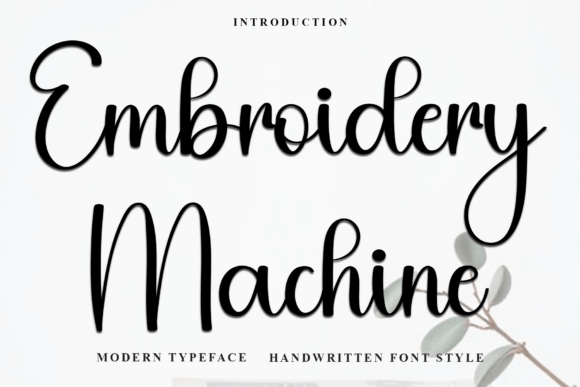
Embroidery Machine is characterized by its soft, unique touch and distinctive strokes that evoke the feeling of handcrafted art. However, unlike standard script fonts, this typeface is engineered with "special character" that ensures legibility even at smaller scales. For designers, this solves a common problem: finding a font that feels organic and human-made without sacrificing the clarity required for branding materials, headers, or packaging.
Where this font fits into a broader process is in the conceptualization and asset preparation phase. Before a project moves to execution—whether that is screen printing, digital advertising, or actual machine embroidery—you must establish the visual language. Embroidery Machine serves as a versatile bridge asset. It allows you to mock up designs that look like finished stitched products in a digital environment, saving time and resources in the production pipeline.
Workflow Integration: From Screen to Stitch
For professionals ranging from small business owners to graphic designers, the workflow often involves multiple software platforms. One of the key advantages of Embroidery Machine is its compatibility with both Windows and open-source platforms. This interoperability is vital for maintaining momentum in a project.
The Digital Design Phase
When you begin a project, the font acts as a planning tool. If you are a freelancer designing a logo for a client in the textile industry, you can apply Embroidery Machine early in the process to demonstrate how the brand voice translates to merchandise. It allows you to create realistic prototypes without needing to physically sew a sample immediately. This capability is particularly useful for marketers and entrepreneurs who need to present a vision to stakeholders before committing to manufacturing costs.
Technical Preparation and Digitizing
For those using actual embroidery hardware, the transition from vector art to stitch file (such as .DST or .PES) can be fraught with technical errors. Fonts with overly complex or jagged edges often result in "thread breaks" or messy stitching on fabric. Because Embroidery Machine features distinct, yet soft strokes, it translates well into digitizing software. It maintains its structural integrity when converted into satin or fill stitches. This reduces the time spent on manual node editing, directly impacting your efficiency and production timeline.
Practical Implementation and Usability
Integrating a new font into your existing ecosystem requires a strategy for organization and usage. To get the most out of Embroidery Machine, consider the following practical applications and tips:
- Brand Consistency: Use the font for all "human touch" communications. If your brand voice is friendly and artisanal, this font works perfectly for social media graphics, newsletter headers, and thank-you cards. It ensures that your digital presence matches the tactile experience of your products.
- Product Customization: For hobbyists and crafters selling on platforms like Etsy, the font is ideal for personalized items. It is legible enough for monograms on towels or baby blankets but stylistic enough to look like custom hand-lettering.
- Educational Materials: Educators creating resources for textile arts or design classes can use this font to highlight technical aspects of typography. It serves as a clear example of how font weight and stroke style affect the physical manufacturing process.
Compatibility and File Management
Efficiency in a creative workflow depends on asset management. Since Embroidery Machine is compatible with various applications, you should install it across your entire suite of tools—from your primary vector editor (like Illustrator or Inkscape) to your word processor and presentation software. This ensures that whether you are writing a proposal or designing a label, the typography remains consistent. Furthermore, because the font is designed with a "natural" style, it pairs well with clean sans-serif fonts, allowing you to create hierarchy and contrast in your layouts without visual clutter.
Quality Control and Long-Term Use
When selecting a typeface for long-term use, scalability is a major concern. A font that looks good on a business card but illegible on a billboard is a liability. Embroidery Machine is designed to be meaningful and versatile. Its structure holds up across different sizes, which is essential for quality control. You do not want to re-brand simply because your chosen font failed to scale.
Moreover, the "eye-catching" nature of the font ensures high engagement. In a crowded market, visual distinctiveness is a competitive advantage. By using a typeface that mimics the warmth of embroidery, you tap into a psychological association with quality, care, and craftsmanship. This is a subtle but powerful way to influence buyer behavior and audience perception.
Conclusion: Enhancing Creative Output
Ultimately, the Embroidery Machine font is more than just a set of characters; it is a workflow enhancer. It streamlines the design process by providing a realistic preview of textile applications, ensures technical compatibility across devices, and enhances the visual quality of creative projects. Whether you are a publisher looking for unique chapter headings or a product designer prototyping the next big apparel line, integrating this font into your toolkit is a practical step toward more polished and professional outcomes. It allows you to focus on the creative process, knowing that your typography is as reliable and expressive as your ideas.