Kisvo: Navigating the Sophistication of Modern Serif Typography
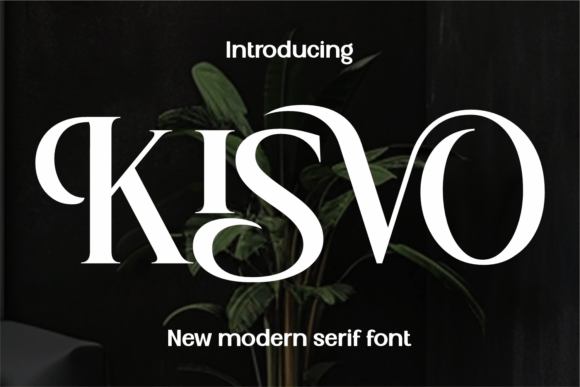
In the vast ocean of digital typefaces, finding a font that balances timeless elegance with contemporary flair can feel like searching for a needle in a haystack. Enter Kisvo, a serif font designed to bridge the gap between the romantic allure of calligraphy and the clean demands of modern branding. It is not merely a collection of letters; it is a typographic statement. Kisvo embodies a specific aesthetic—often described as "boutique chic"—that combines the femininity of cursive scripts with the structural integrity of a logo font. For designers, entrepreneurs, and creatives, it promises to inject a dose of luxury into wedding invitations, high-end branding, and fashion-forward social media graphics.
However, as with any specialized design tool, the beauty of Kisvo lies in how it is wielded. Many users download a lavish serif font expecting it to do all the heavy lifting, only to find their designs looking cluttered, illegible, or dated. To truly unlock the "luxe" potential of Kisvo, one must understand its unique characteristics and avoid the common pitfalls associated with decorative typography. This guide explores how to navigate the intricacies of this font, ensuring your final output is nothing short of sophisticated.
The Allure of the Boutique Aesthetic
What makes Kisvo stand out is its distinct personality. Unlike standard corporate serifs that prioritize neutrality, Kisvo is expressive. It features stylistic alternates and deep ligatures that mimic the flow of hand-lettered calligraphy. This makes it particularly popular among small business owners in the beauty, apparel, and wedding industries. It speaks a visual language of exclusivity and care—qualities that resonate deeply with consumers looking for premium products.
The font’s design philosophy hinges on a "minimalist maximalism." While the strokes are decorative and flair-heavy, the overall spacing and structure maintain a modern, airy feel. This prevents the text from feeling suffocating, a common issue with older, more ornate script fonts. When used correctly, Kisvo doesn't just display text; it curates an experience.
Avoiding the Legibility Trap
The most frequent mistake beginners make with decorative serifs like Kisvo is prioritizing style over readability. Because the font features intricate swashes and flowing connections, it can become difficult to decipher at smaller sizes or on low-resolution screens.
The Mistake: Using Kisvo for body copy or long paragraphs. A block of text set in an elaborate script font creates visual fatigue for the reader. If your audience has to squint to read your product description or blog header, you have lost their attention.
The Better Approach: Treat Kisvo as a display font. It is engineered for headlines, sub-headers, and short, impactful phrases like logos or wedding vows. For the body text, pair it with a clean sans-serif or a highly legible serif font. This contrast creates a visual hierarchy that guides the reader’s eye naturally. For example, use Kisvo for the "Menu" title on a restaurant flyer, but use a font like Montserrat or Lato for the list of dishes.
Mastering Context and Tone
While Kisvo is versatile, it carries a strong inherent tone that may not fit every context. Its "feminine touch" and "retro-style" roots make it perfect for lifestyle branding, but it can clash with industries that require a sense of ruggedness or hyper-modernity.
The Mistake: Applying Kisvo to inappropriate niches. For instance, using a delicate, boutique-style font for a construction company or a heavy metal band logo sends mixed signals. It can make a brand look confused about its identity, undermining trust with the target audience.
The Better Approach: Evaluate the emotional resonance of the font. Before committing to Kisvo, ask yourself if "chic," "elegant," and "soft" align with your brand values. If you are designing for a floral shop, a jewelry brand, or a lifestyle coach, Kisvo is an excellent fit. If your project requires a sense of industrial strength or stark minimalism, you may need to look elsewhere.
Unlocking Stylistic Alternates
One of the most overlooked features of premium fonts like Kisvo is the inclusion of stylistic alternates. Many users install the font and only ever type with the default characters, missing out on the full creative potential of the typeface.
The Mistake: Ignoring the font panel. Using the default "A" or "g" in every instance can lead to repetitive typography, especially if the font is used frequently across a brand's collateral. It can also lead to awkward letter pairings where two connecting strokes clash visually.
The Better Approach: Dive into the Glyphs panel in your design software (such as Adobe Illustrator, Photoshop, or Canva Pro). Kisvo includes deep alternates that allow you to swap out specific letters to create a more organic, custom look. For example, changing the tail of a "y" or the crossbar of a "t" can completely alter the rhythm of a word, preventing repetition and adding that unique, hand-lettered feel.
Technical Considerations: Spacing and Sizing
Typography is as much about the space between letters as the letters themselves. Kisvo features "flare out" strokes that can cause visual crowding if not managed properly.
The Mistake: Neglecting kerning and tracking. When you type "Wedding" in Kisvo, the connecting strokes might cause the letters to overlap in a way that creates dark, muddy spots of ink on the page. Conversely, setting the tracking too loose can break the cursive connections, making the text look disjointed.
The Better Approach: Always manually adjust kerning for your primary headlines. Zoom in on your text and ensure the spacing feels even to the eye, rather than mathematically even. For digital use, ensure you are using a web-optimized version or exporting your text as vector shapes (SVG) to preserve the intricate details of the font at various screen resolutions.
Pairing and Color Harmony
A majestic calligraphy font requires a supporting cast that doesn't steal the show. Kisvo is a star player, but it needs the right teammates to shine.
The Mistake: Pairing Kisvo with another decorative or highly stylized font. Combining two "loud" fonts creates visual noise. It is the typographic equivalent of wearing a polka dot shirt with plaid pants.
The Better Approach: Use the "Opposites Attract" rule. If Kisvo represents the "fashion" and "glamour," pair it with a font that represents "structure" and "clarity." A geometric sans-serif or a simple slab serif works wonders. Additionally, be mindful of color. While Kisvo looks stunning in gold foil or deep charcoal, using it in bright, neon colors can cheapen the sophisticated aesthetic it is designed to convey.
Final Thoughts on Evaluation
Choosing a font like Kisvo is an investment in your brand’s visual identity. Before making the final decision, test it in the specific environment where it will live. Mock up a business card, a website header, and a social media post. Check how the font renders on mobile devices versus desktop screens.
Remember, a font is a tool to enhance communication. If Kisvo elevates your message, clarifies your brand's premium status, and remains legible across platforms, it is the right choice. By avoiding the common traps of over-decorating and poor pairing, you can harness the full power of this elegant typography, ensuring your designs look nothing short of an allure straight out of a sophisticated magazine spread.