Japandi Font: Integrating Minimalist Typography into Your Creative Process
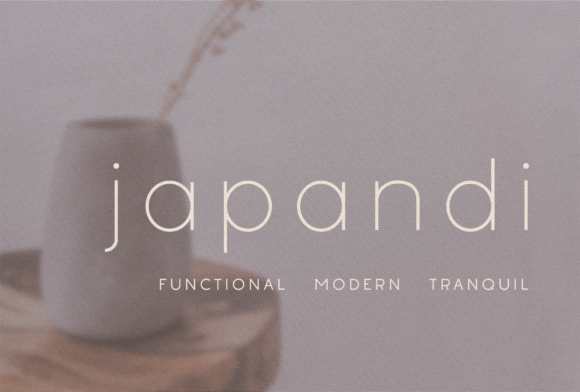
In the world of design, typography is rarely just about letters; it is about voice, tone, and efficiency. When you select a typeface like Japandi, you are doing more than picking a visual style—you are adopting a workflow philosophy. Inspired by the fusion of Japanese rustic minimalism and Scandinavian functionalism, the Japandi font is a lightweight sans serif that prioritizes clarity above all else. For professionals ranging from interior designers to brand strategists, understanding how to implement this specific aesthetic into a project lifecycle is essential for maintaining consistency and achieving a high-quality end product.
Understanding the Core Philosophy: Aesthetic Meets Workflow
Before integrating Japandi into your toolkit, it is vital to understand where it sits within a broader design context. The font features a clean and crisp design that avoids unnecessary ornamentation. In a practical workflow, this translates to reduced visual noise. When you are planning a project—whether it is a digital marketing campaign or a physical interior design mood board—visual noise is the enemy of decision-making. By utilizing a typeface that is inherently lightweight and legible, you streamline the initial stages of conceptualization.
The Japandi font is not designed to scream for attention; it is designed to organize information. This makes it an ideal candidate for the "structural" phase of your work. For example, when a freelance designer is preparing a pitch for a client, the choice of font sets the expectation for the project's scope. A heavy, ornate font might suggest complexity and high cost, whereas Japandi suggests efficiency, modernity, and thoughtful curation. It fits into the process of establishing trust through visual communication before a single word of copy is even read.
Strategic Implementation in Branding and Identity
For entrepreneurs and small business owners, the branding phase is often the most critical. It involves selecting assets that will represent the company for years to come. Japandi excels here because of its versatility. As a sans serif font, it possesses a neutrality that allows it to function effectively across various media.
Preparation and Compatibility: When building a brand kit, you must consider how your typography interacts with other assets, such as logos, photography, and color palettes. Japandi pairs exceptionally well with organic textures and muted earth tones, which are staples of the interior design world. However, its clean lines also make it compatible with high-contrast, modern geometric shapes.
During the implementation phase, consider the font’s weight. Because Japandi is described as lightweight, it is excellent for headlines and sub-headers where elegance is required. However, for body text on digital platforms, you must ensure sufficient contrast against the background to maintain readability. The workflow here involves testing the font in various environments—desktop, mobile, and print—to ensure it maintains its crisp appearance without becoming too thin to read on lower-resolution screens.
Workflow Integration for Social Media Managers
Social media is a high-volume environment. The speed at which content is produced and consumed is rapid. For social media managers and content creators, the choice of font directly impacts production speed. Using a font like Japandi simplifies the design process. Because it is minimalistic, there is less need to adjust kerning and tracking obsessively; the spacing is naturally designed to be breathable.
In a typical content calendar workflow, you might use Japandi for:
- Instagram Stories and Reels: Its clean design ensures text overlays do not clutter the visual narrative.
- Pinterest Graphics: For interior design pins, the font complements the imagery rather than competing with it.
- LinkedIn Posts: The professional, understated tone conveys authority without arrogance.
By standardizing your social templates around a single, versatile font family like Japandi, you reduce decision fatigue. You no longer need to hunt for a new typeface for every campaign. Instead, you rely on a consistent system that reinforces brand recognition over time.
Enhancing Invitation and Event Design
The event planning industry relies heavily on the tactile quality of materials. Whether you are designing wedding invitations or corporate event tickets, the typography must evoke a specific emotion. Japandi offers a unique advantage in this space: it bridges the gap between formal and casual.
When creating invitations, the process usually moves from digital proofing to physical printing. This is where the "quality control" stage becomes critical. A lightweight sans serif like Japandi requires high-quality paper stock to shine. On cheap paper, thin lines can bleed or look faded. Therefore, when integrating this font into your print workflow, you should pair it with uncoated, textured paper stocks that enhance the tactile experience. This interaction between digital design and physical production is a perfect example of how a font choice dictates material procurement decisions.
Interior Design and Environmental Graphics
Given the font's namesake, it is no surprise that Japandi is exceptionally suited for interior design projects. When an interior designer presents a concept, the presentation deck should reflect the aesthetic of the proposed space. If the design calls for Scandi-Japanese minimalism—think light woods, tatami mats, and open spaces—the typography used in the proposal must match.
Japandi fits into the "presentation" stage of the design process. It allows floor plans and material lists to be presented with clarity. Furthermore, for environmental graphics—such as signage for a boutique hotel or a yoga studio—Japandi provides the legibility required for wayfinding while maintaining the serene atmosphere of the space. It is a functional choice that serves the end-user’s need for information while respecting the architect’s vision for aesthetics.
Technical Optimization and Usability
For web developers and UX designers, font performance is a technical metric. A lightweight font file contributes to faster page load times, which is a factor in SEO rankings and user retention. While "lightweight" refers to the visual weight of the strokes, it often correlates with simpler vector paths that render quickly on browsers.
When implementing Japandi into a web design workflow:
- Check File Formats: Ensure you have WOFF2 files for optimal compression.
- Test Hierarchy: Use Japandi for H1 and H2 headers to establish a clean hierarchy, but consider pairing it with a slightly heavier weight or a serif font for body text if the content is dense.
- Responsive Design: Test how the font scales on mobile devices. Clean sans serifs generally perform well, but the "lightweight" nature of Japandi means you may need to increase font size slightly for mobile viewports to ensure accessibility standards are met.
Long-Term Maintenance and Consistency
One of the often-overlooked aspects of design workflows is the "maintenance" phase. Trends change, but core branding assets should remain stable. The minimalistic nature of Japandi makes it resistant to becoming dated. Highly stylized fonts often fall out of fashion within a few years, necessitating a costly rebrand. Japandi’s focus on fundamental shapes and readability ensures longevity.
For educators and publishers, this consistency is paramount. Creating a library of resources—be it PDFs, slide decks, or worksheets—requires a font that is legible in various contexts. Japandi serves this need effectively, ensuring that materials created today will still look professional and coherent five years from now. It supports a sustainable approach to content creation, where assets can be repurposed and updated without needing a complete typographic overhaul.
Conclusion
Integrating the Japandi font into your workflow is a decision that prioritizes function and form equally. It is a tool designed for the modern creator who values a clean aesthetic and an efficient process. By understanding how this typeface interacts with different mediums—from social media screens to printed invitations and environmental signage—you can leverage its strengths to produce high-quality, consistent work. Whether you are a freelancer looking to streamline your brand kit or an interior designer aiming for cohesive presentations, Japandi offers a reliable, aesthetically pleasing foundation for your projects.