Wildflower Apothecary: The Handwritten Serif Font for Authentic Design
Understanding the Appeal of Organic Typography
In the digital age, where high-definition screens and vector-perfect designs dominate, there is a growing counter-movement in visual culture. Consumers and creators alike are gravitating toward designs that feel personal, tactile, and human. This shift is not just about aesthetics; it is about establishing an emotional connection. When text looks like it was written by a human hand rather than generated by a machine, it triggers a sense of warmth and nostalgia. This is the specific niche that Wildflower Apothecary occupies. It bridges the gap between the formality of traditional serif fonts and the casual intimacy of handwriting.
Unlike standard serif fonts that rely on rigid geometry and mathematical precision, Wildflower Apothecary embraces imperfection. It is designed to mimic the natural variations found in hand-lettering, where pressure changes, ink flow, and paper texture influence the final look of the text. For the modern designer, this font offers a way to inject "soul" into a project without sacrificing legibility. It serves as a reminder that behind every brand, product, or invitation, there are real people. This article explores the characteristics of this typeface, its practical applications, and how to determine if it is the right choice for your next creative endeavor.
Anatomy of Wildflower Apothecary: Features and Characteristics
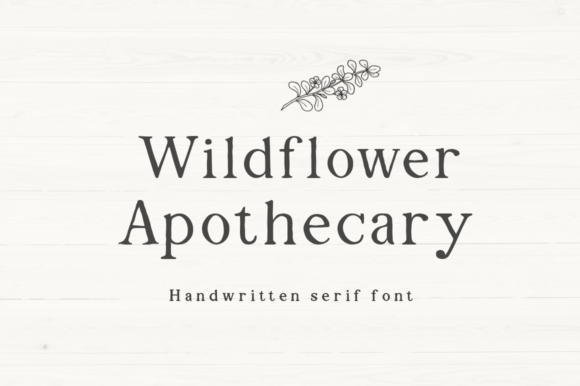
To truly appreciate a typeface, one must look at its construction. Wildflower Apothecary is classified as a handwritten serif font, a relatively rare hybrid that combines the decorative "feet" of serif typefaces with the fluid motion of script. This combination allows it to feel structured enough for readability while retaining a distinct personality.
The Power of Versatility: Regular and Bold
One of the standout features of Wildflower Apothecary is the inclusion of two distinct variations: Regular and Bold. In typography, weight variation is crucial for establishing hierarchy.
- The Regular Variation: This serves as the workhorse of the font family. It maintains a delicate line weight that is perfect for body text, subheadings, or longer passages where readability is paramount. It flows gently across the page, making it ideal for invitations or product descriptions.
- The Bold Variation: This version adds weight to the strokes, creating emphasis and authority. It is designed for headlines, call-to-action buttons, or logos where you need the text to stand out immediately. The bold version retains the organic feel of the regular weight but commands more attention.
Using these two weights in tandem allows creators to build a cohesive visual language. For example, a wedding invitation might use the Bold variation for the couple's names and the Regular variation for the event details.
Embracing Imperfection
The defining characteristic of Wildflower Apothecary is its "organic imperfections." Digital fonts are often flawless—every letter "a" is identical to the next. However, human writing is never perfect. This font features subtle irregularities in the baseline (the line the letters sit on) and the x-height (the height of lowercase letters). These quirks prevent the text from looking sterile. It creates a texture that feels hand-stamped or inked, which is highly desirable in the current market for artisanal and homemade goods.
Real-World Applications: Where Wildflower Apothecary Shines
The versatility of Wildflower Apothecary makes it applicable across a wide range of industries and hobbies. Its design language speaks to specific aesthetics, particularly those associated with nature, nostalgia, and craftsmanship. Below are some of the most effective ways to utilize this font.
Farmhouse Decor and Quote Signs
The "Farmhouse" aesthetic—characterized by neutral colors, rustic textures, and vintage charm—remains incredibly popular in home decor. Wildflower Apothecary fits this style perfectly. If you are a woodworker or a sign maker, this font is an essential tool. When printed on reclaimed wood or distressed metal, the organic imperfections of the font blend seamlessly with the texture of the material. It is excellent for creating "Live Laugh Love" style quote signs, family name plaques, or kitchen labels. The serif elements give it a touch of elegance that elevates it above a standard block print.
Invitations and Stationery
For wedding planners and stationery designers, the font choice sets the tone for the entire event. Because Wildflower Apothecary mimics handwriting, it offers a personal touch that digital sans-serifs cannot match. It is particularly well-suited for rustic weddings, garden parties, or bohemian-themed events. It pairs beautifully with watercolor backgrounds and floral illustrations, creating a cohesive, romantic look.
Personalized Products and Brand Logos
In the world of e-commerce, branding is everything. Small business owners selling handmade goods—such as soaps, candles, or jams—often struggle to find fonts that represent their "homemade" ethos. Wildflower Apothecary solves this problem. It looks professional enough for a logo but retains the charm of a small-batch product. It is also widely used for personalized items like tote bags, mugs, and t-shirts. Its legibility ensures that names and short phrases are easy to read, even from a distance.
Cricut and DIY Crafting
The rise of cutting machines like Cricut and Silhouette has democratized design. Hobbyists use these machines to cut vinyl, paper, and fabric. Wildflower Apothecary is a favorite among the Cricut community because its lines are clean enough to be cut by the machine blade without snagging, yet detailed enough to look intricate. Whether you are making decals for a car window or stencils for a sign, this font translates well from screen to physical material.
Strategic Pairing and Design Considerations
While Wildflower Apothecary is a strong standalone font, typography is often about harmony. Knowing how to pair it with other fonts can maximize its impact.
Pairing with Sans-Serifs
Because Wildflower Apothecary has a lot of texture and personality, it pairs best with clean, neutral sans-serif fonts (like Montserrat, Lato, or Open Sans). The contrast between the organic, detailed serif font and the geometric, clean sans-serif creates a balanced visual hierarchy. Use the handwritten serif for headers to grab attention, and the sans-serif for body text to ensure the reader can consume longer blocks of information without eye strain.
Color and Background Interactions
This font works best with natural, earthy color palettes. Think sage greens, dusty blues, terracotta, and charcoal. High-contrast neon colors can sometimes clash with the vintage, apothecary vibe. Furthermore, because of its organic nature, Wildflower Apothecary shines when placed on textured backgrounds. A flat, solid color works, but placing it over a subtle paper grain texture or a linen background enhances the "handmade" feel.
Evaluating Suitability: Strengths and Limitations
No single font is perfect for every situation. To use Wildflower Apothecary effectively, it is important to understand its strengths and where it might fall short.
Strengths
- Emotional Resonance: It immediately conveys warmth, care, and authenticity.
- Readability: Despite being handwritten, the serif elements help guide the eye, making it more legible than many cursive scripts.
- Brand Consistency: The inclusion of Regular and Bold weights allows for a complete branding package without needing to mix font families too drastically.
Limitations and Considerations
- Dense Text Blocks: While great for headers and short paragraphs, Wildflower Apothecary should generally not be used for long-form body text (like the main content of a blog post or a book). The organic irregularities can cause eye fatigue if read for extended periods.
- Modern/Corporate Contexts: If you are designing for a fintech startup, a law firm, or a medical provider that wants to convey cutting-edge technology and strict precision, this font may feel too casual or decorative.
- Size Sensitivity: Very small sizes may cause the fine details of the serif and the handwritten edges to blur together. It is best used at medium to large display sizes.
Conclusion
Wildflower Apothecary