Monogram Bundle: Your Ultimate Guide to Versatile Typography
Unlocking the Potential of a Mega-Collection
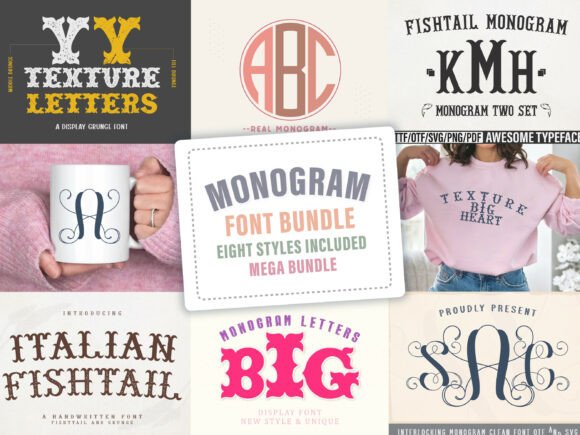
The Monogram Bundle represents a significant shift in how designers approach personalization and branding. This mega-collection is not merely a set of letters; it is a comprehensive typographic suite designed to bridge the gap between the tactile warmth of traditional embroidery and the crisp demands of modern digital design. By consolidating eight distinct styles—from distressed grunge textures to elegant interlocking scripts—into a single purchase, this bundle offers a level of versatility that standalone fonts simply cannot match. For the wedding stationer needing classic romance one day and the apparel designer seeking edgy monograms the next, this collection provides the necessary tools to adapt without compromise.
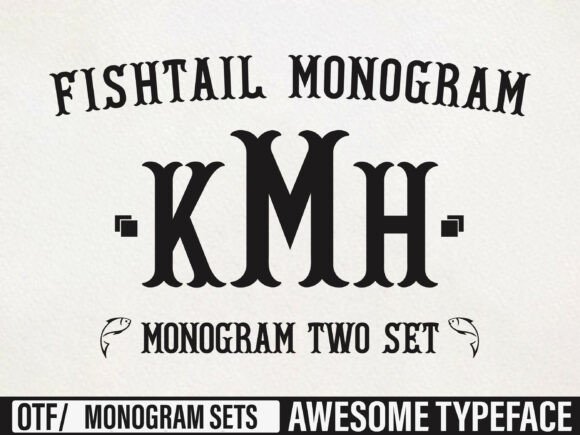
However, possessing a powerful tool is only the first step. Many creators purchase extensive font bundles only to find themselves overwhelmed or underutilizing the assets. The true value of a versatile Monogram Bundle is realized not in the download, but in the thoughtful application. Understanding the specific personality of each style within the suite—such as the whimsical fishtail serifs versus the structured circular real monograms—is crucial for effective communication. A mismatch between the font style and the project's intent can lead to branding that feels disjointed or inauthentic.
Navigating Common Pitfalls in Font Selection
A frequent oversight when working with a diverse typographic suite is the failure to audit the full collection before beginning a project. It is tempting to latch onto the first style that catches your eye, perhaps a bold distressed grunge texture, and apply it universally. This approach often leads to visual monotony or, worse, a mismatch with the project's tone. For instance, using a heavy, textured grunge font for delicate baby shower invitations would likely feel jarring and inappropriate to the audience.
A better approach is to create a simple style guide or mood board for your project first. Before even opening your font library, define the emotional core of the design. Is it elegant, rustic, playful, or corporate? Then, systematically review the eight styles in your Monogram Bundle. Test each one against your mood board. You might discover that an interlocking script you initially overlooked is actually the perfect fit for your boutique apparel line because it conveys the exact sense of curated luxury you aim for.
The Licensing and Usage Blind Spot
One of the most critical yet frequently ignored aspects of any font bundle is the licensing agreement. The excitement of acquiring a massive collection can lead to a quick "I Agree" click without a thorough read. This is a significant mistake, especially for small business owners and freelancers. Licenses dictate how you can use the fonts—whether for personal projects, commercial client work, print-on-demand, or embedded in digital products like websites or apps.
Imagine designing a line of custom wedding stationery for a client, only to discover later that the license for your chosen monogram font only permits personal use. This could force a costly and embarrassing redesign, damaging your professional reputation and client trust. Always verify the license before finalizing any design. Look for specifics on commercial use, the number of allowed installations, and any restrictions on creating products for resale. A reputable Monogram Bundle will have clear, straightforward licensing that supports your business goals.
Technical Execution and Quality Assurance
Even with the perfect style selected and licensing confirmed, technical errors can undermine the final product. A common issue arises with file formats and software compatibility. Not all fonts work seamlessly across every platform. The Monogram Bundle may include various file types (like OTF, TTF, or WOFF). Failing to install the correct format for your operating system or design software can result in missing characters, corrupted glyphs, or the inability to access special features like alternates and ligatures.
Before starting a major project, conduct a small-scale test. Install the font and open a simple document in your primary design program (e.g., Adobe Illustrator, Canva, Procreate). Type out the full alphabet, numbers, and common punctuation. Check for the special monogram characters or stylistic alternates that make the bundle unique. This five-minute check can save hours of frustration later. Furthermore, ensure your design software is updated, as older versions may not fully support advanced typographic features found in professional-grade bundles.
Balancing Aesthetics with Readability
The allure of intricate, decorative monograms is strong, but functionality must never be sacrificed for form. A beautifully ornate script is useless if the recipient cannot decipher the initials. This is particularly important for applications like logos, signage, or branding where quick recognition is key. A fishtail serif style might be stunning on a mood board but could become a liability on a small business card or a social media profile picture.
Always prioritize context. Consider the primary medium where the monogram will live. For digital branding, where logos are often viewed at small sizes on mobile devices, a cleaner, more geometric circular monogram from the bundle might offer better legibility than a complex interlocking script. For large-scale applications like wedding signage or apparel prints, you have more freedom to explore the detailed, textured styles. The goal is to choose a style that enhances the message, not obscures it.
Maximizing Value and Avoiding Redundancy
Finally, a misunderstanding about the nature of a "bundle" can lead to inefficient workflows. Some creators treat the bundle as eight separate fonts, switching between them haphazardly. The real power lies in understanding them as a cohesive family of styles that can be mixed and matched. A distressed grunge texture can be paired with a clean serif for a dynamic contrast in a single design. An elegant script can be used for a couple's initials, while a bold, simple monogram from the same bundle is used for their wedding hashtag.
To avoid redundancy and truly harness the collection's potential, develop a system. Create a reference document or a swipe file showcasing each of the eight styles with sample applications. Note which projects each style suits best. This practice not only speeds up your creative process but also ensures you are consistently using the right tool for the right job, thereby elevating the quality and coherence of your work. The Monogram Bundle is an investment in versatility; using it strategically ensures that investment pays dividends in client satisfaction and creative output for years to come.