Discovering the Heartbeat of Modern Branding: The Foodie Story Typeface
In the competitive landscape of culinary branding, visual identity is no longer just about a logo; it is about the feeling a customer gets the moment they look at a menu, a website, or a delivery bag. We are living in an era where consumers crave authenticity. They want to feel that there is a real human behind the product, someone who cares about the ingredients and the experience. This shift in consumer psychology has created a massive demand for design assets that feel organic, imperfect, and warm. Enter Foodie Story, a typeface that doesn't just spell out words—it tells a narrative.
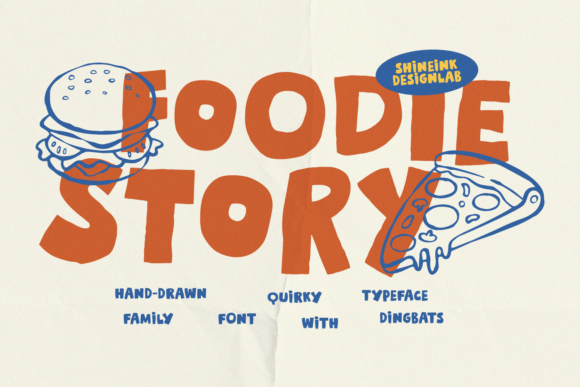
At its core, Foodie Story is a playful, hand-drawn typeface that draws its inspiration directly from the messy, delightful world of fun food illustrations and bold storytelling. It is designed to bridge the gap between professional typography and the charming imperfections of a sketchbook doodle. For designers and business owners alike, finding a font that balances readability with personality can be a challenge. Too often, "quirky" fonts sacrifice legibility, while standard fonts can feel sterile and cold. Foodie Story manages to sit comfortably in that sweet spot, offering a solution that is both functional and full of character.
The Power of Imperfection in Typography
Why are we so drawn to things that look handmade? In a digital world dominated by vectors and perfect geometry, there is a psychological comfort in seeing something that looks human-made. This is the fundamental philosophy behind Foodie Story. The font features chunky, organic letterforms that mimic the natural variations of hand lettering.
When you look closely at the characters, you will notice that no two letters feel overly rigid. This "imperfect" quality is actually a carefully engineered design choice. It provides a sense of warmth that sterile sans-serifs cannot replicate. For a bakery, a café, or a food truck, this warmth translates to "homemade" and "crafted with care." It tells the customer that the brand values the artisanal process. The raw, doodle-style personality of the typeface invites the viewer in, making the content feel accessible rather than corporate.
A Deep Dive into the Aesthetic
The visual weight of Foodie Story is significant. It is bold without being aggressive. This is crucial for modern branding where attention spans are short, and visual hierarchy is key. The "chunky" nature of the font ensures that it pops off the page or screen, making it ideal for headers, sub-headers, and call-to-action text.
However, what sets this typeface apart from other bold fonts is its organic flow. It does not have the rigid, industrial feel of a block font. Instead, it feels like it was drawn with a thick marker or a paintbrush. This aesthetic aligns perfectly with the current trend of "flat design" and "minimalist illustration," where bold shapes and clear lines are used to convey messages quickly. Foodie Story fits into this ecosystem naturally, providing the typographic anchor that playful designs need.
More Than Just Letters: The Integrated Dingbats
One of the most practical aspects of integrating a new typeface into a workflow is the ability to build a cohesive visual language quickly. This is where the included dingbats collection becomes an invaluable asset. Usually, finding illustrations that match the exact weight and style of a specific font requires hours of searching or custom illustration work.
The creators of Foodie Story have solved this problem by including a set of fun food illustrations that are designed to pair perfectly with the typeface. These aren't just generic icons; they share the same line weight, the same hand-drawn texture, and the same playful energy as the letters.
Imagine you are designing a menu for a burger joint. You need a quick icon to indicate a spicy item or a chef's special. Instead of breaking your workflow to find a vector file, you can simply switch to the dingbats set and select an illustration that slots right into the text flow. This capability allows for the creation of playful compositions in seconds. You can mix and match letters with icons to create custom logos, social media headers, or packaging designs that look cohesive and intentional. It turns the design process into a fluid, creative exercise rather than a technical chore.
Practical Applications: Who is Foodie Story For?
While the name suggests a focus on food, the applications of this typeface extend to any industry that wants to project a friendly, approachable image. However, it truly shines in specific niches where "flavor" and "fun" are part of the brand DNA.
The Fast-Casual Revolution
The fast-casual dining sector is booming. From gourmet burger shops to artisanal pizza places, these brands need to communicate quality and fun simultaneously. Foodie Story is the perfect typographic voice for this environment. It captures the energy of a bustling kitchen and the excitement of a cheat meal. A burger shop could use it for their menu headers to make the food sound as exciting as it tastes, while a pizza place could use it on their delivery boxes to create an "unboxing experience" that feels personal.
Snack Brands and Packaging
Walk down the snack aisle of any grocery store, and you will see a battle for attention. Packaging design is the frontline of this battle. Modern snack brands are moving away from corporate glossiness and toward "indie" vibes. They want to look like a friend recommended them, not a boardroom. Using Foodie Story on packaging creates an immediate emotional connection. It suggests that the product inside is fun, unique, and made by people who love what they do.
Kids' Projects and Educational Materials
Children are incredibly perceptive to visual cues. They respond to shapes and styles that feel playful and non-threatening. The rounded, chunky nature of Foodie Story makes it an excellent choice for children's cookbooks, school cafeteria signage, or educational apps about nutrition. It turns learning about food into an adventure. The letters are easy to recognize, aiding in readability for younger audiences, while the style keeps the content engaging and lighthearted.
Integrating Foodie Story into Modern Workflows
For designers, the technical utility of a font is just as important as its aesthetic. Foodie Story is designed to be versatile. It works beautifully in digital formats—think Instagram stories, website hero banners, and YouTube thumbnails—where the bold weight ensures visibility even on small mobile screens.
Furthermore, it translates well to print. The organic shapes of the letters handle ink spread well, making it a robust choice for physical merchandise like tote bags, t-shirts, and stickers. In the modern creator economy, where merchandise is a key revenue stream, having a font that looks good on fabric is a massive advantage.
When working with this font, consider the pairing. Because Foodie Story is so expressive, it pairs best with a clean, simple sans-serif for body text. Let Foodie Story handle the headlines and the shouting; let the secondary font handle the whispering and the details. This contrast will maximize the impact of the font's unique personality without overwhelming the reader.
The Emotional ROI of Good Typography
Ultimately, choosing a typeface like Foodie Story is an investment in emotional resonance. Marketing is often about the intangible—the "vibe" or the "mood." By utilizing a typeface that is explicitly designed to bring warmth and personality, you are giving your brand a voice that is distinct and human.
In a world of automated chatbots and algorithm-driven recommendations, the human touch is the ultimate luxury. Foodie Story delivers this touch through its carefully crafted imperfections and joyful illustrations. It reminds us that food is meant to be enjoyed, and design is meant to be fun. Whether you are launching a new startup or rebranding an established business, embracing the playful storytelling potential of this font could be the ingredient your visual identity was missing.